In the modern world, where cleanliness is more than just an aesthetic standard and closely tied to health, safety, and even environmental sustainability, professional cleaning has become a vital service across virtually every industry. Certification in this field is no longer an optional accolade—it is a crucial requirement. Whether it’s cleaning high-touch surfaces in a healthcare setting or ensuring eco-friendly sanitation in corporate offices, certified cleaners are the trusted professionals who carry out these tasks with precision and reliability.
So, what does it truly take to become a certified cleaner today? It’s far more than mastering a few tools and techniques. Becoming a certified cleaner requires specialized education, hands-on training, and continuous professional development. Let’s explore the journey step-by-step.
Understanding the Importance of Cleaner Certification
Certification in the cleaning industry signals that an individual possesses expert knowledge in safety protocols, effective cleaning techniques, and regulatory compliance. Clients, especially in sensitive environments like hospitals, laboratories, and food service establishments, rely on certified professionals to ensure the spaces they occupy are safe and hygienic.
Certified cleaners demonstrate proficiency in areas such as:
- Handling hazardous materials safely
- Implementing infection control measures
- Using and maintaining complex cleaning equipment
- Following green and sustainable cleaning practices
Post-pandemic, with heightened awareness about public hygiene, this level of expertise has only grown in importance. Cleaners are now frontline defenders in preventing illness, controlling allergens, and even reducing environmental harm.
Step 1: Selecting the Right Cleaning Certification Program
The certification path begins with choosing a credible and comprehensive program. The most recognized organizations in the industry include:
- International Sanitary Supply Association (ISSA) – particularly the Cleaning Management Institute (CMI)
- Institute of Inspection, Cleaning and Restoration Certification (IICRC)
- Global Bio risk Advisory Council (GBAC)
- Green Seal and LEED-compliant training organizations
These programs offer different tracks depending on the cleaner’s target market—be it residential, commercial, medical, or industrial. When choosing a program, aspiring professionals should consider:
- Accreditation status and industry recognition
- Relevance of the curriculum to modern challenges
- Opportunities for hands-on training
- Requirements for recertification or continuing education
Step 2: Core Skills and Competencies Every Certified Cleaner Must Master
A high-quality certification program equips candidates with a robust set of competencies:
- Health and Safety Regulations
- Cleaners must understand OSHA standards, proper chemical labeling, Personal Protective Equipment (PPE) usage, and emergency procedures.
- Surface and Material-Specific Cleaning Techniques
- Every surface—be it stainless steel, marble, carpet, or tile—requires a unique approach to avoid damage and ensure proper sanitation.
- Equipment Handling and Maintenance
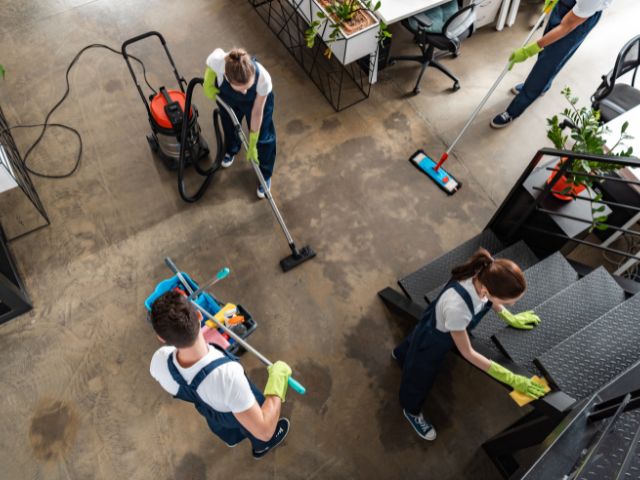
- Cleaners are trained to operate industrial vacuums, auto scrubbers, steamers, and other specialized tools effectively and safely.
- Green Cleaning Protocols
- Certified cleaners must adhere to environmental standards, using biodegradable products and reducing water and chemical waste.
- Professional Communication and Conduct
- Cleaners work alongside clients, coworkers, and vendors, making strong interpersonal and problem-solving skills essential.
Step 3: Hands-On Training and Real-World Assessment
Certification isn’t just earned in a classroom. Reputable programs incorporate hands-on modules, in-person labs, and practical exams to ensure candidates are field-ready. These hands-on experiences allow trainees to:
- Reinforce theoretical knowledge
- Practice using equipment and chemicals
- Build speed, accuracy, and safety awareness.
Candidates are typically assessed on how well they follow procedures, maintain safety standards, and deliver quality results under time constraints.
Step 4: Specialized Cleaning Certifications for Niche Markets
In today’s dynamic marketplace, general knowledge often isn’t enough. Many cleaners choose to specialize in one or more niche areas to enhance their career opportunities:
- Healthcare Cleaning: Centers on disinfection, cross-contamination prevention, and sterile cleaning protocols.
- Crime Scene and Trauma Cleaning: Involves biohazard removal, odor neutralization, and regulatory compliance.
- Cleanroom Maintenance: Critical in labs and manufacturing, focusing on air purification, gowning, and strict contamination controls.
- Green Cleaning Certifications: Help companies achieve LEED credits and meet sustainability goals.
These certifications help cleaners stand out in competitive environments while meeting very specific client needs.
Step 5: Passing the Certification Exam
Certification programs culminate in a written and/or practical exam. These assessments include:
- Multiple-choice and scenario-based questions
- Equipment and chemical identification tasks
- Mock cleaning scenarios that test real-world application
Candidates must often score 80% or higher to achieve certification. These exams are designed to ensure that only those who meet the highest standards are certified.
Step 6: Maintaining Certification and Pursuing Continuing Education
Certification is not a one-and-done achievement. Most programs require cleaners to renew their certification every one to three years. Ongoing training ensures that professionals stay current with:
- Regulatory changes (OSHA, CDC, EPA)
- Advancements in cleaning technology
- Updated safety or environmental standards
Webinars, workshops, and online courses help certified cleaners stay sharp and adaptable.
Career Opportunities and Advancement
Becoming a certified cleaner can open many professional doors. Employers often prioritize certified individuals for roles that carry greater responsibility and pay, such as:
- Team Supervisors or Shift Managers
- Trainer or Certification Instructor
- Quality Control Officer
- Business Owner or Franchise Operator
Certified professionals are also better positioned for work in sectors that require clearance or specialized knowledge, such as defense facilities, data centers, and luxury hospitality.
Embracing the Future: The Tech-Savvy Cleaner
The cleaning industry is embracing automation and smart technologies. Certified professionals now learn to work with:
- Robotic floor cleaners
- Cloud-based scheduling and tracking systems
- IoT-enabled janitorial equipment
Tech skills are increasingly vital, and certification programs are evolving to reflect this reality. Future-ready cleaners must be as comfortable navigating a digital dashboard as they are handling a buffer machine.
Conclusion: A Certified Cleaner Is a Professional Asset
Certification is a powerful tool that elevates cleaning from a basic service to a professional discipline. It shows that an individual is not only capable of cleaning effectively but is committed to excellence, safety, and sustainability. In an era when cleanliness directly impacts public health, business reputation, and regulatory compliance, certified cleaners are indispensable.
At Pure Glow Maids and Cleaning Services, we recognize the critical value of professional certification. That’s why we invest in rigorous training and continuous education for our team. Every home, office, and facility we service benefits from our commitment to high standards, advanced techniques, and client-centered care. Our clients don’t just receive a cleaning service—they receive peace of mind, knowing their space has been handled by certified experts.
And stay tuned for our next blog post, “From Mop to App: The Digital Transformation of Cleaning Services,” where we’ll delve into how trained professionals transform chaotic post-construction sites into spotless, safe, and livable spaces.
Frequently Asked Questions
- Why is certification important for professional cleaners?
Certification proves a cleaner’s knowledge of safety, sanitation, and modern cleaning protocols, making them more competitive and trusted in the industry. - What are the top certification programs for cleaners?
Leading certifications include ISSA’s CMI, IICRC, GBAC Technician Training, and specialized programs like Green Seal and Trauma Scene Cleaning. - What skills do certified cleaners learn during training?
They learn OSHA safety practices, surface-specific cleaning, equipment operation, green cleaning methods, and professional communication. - How long does it take to become a certified cleaner?
Depending on the program, certification can take a few days to several weeks, including online modules, in-person training, and exams. - Do cleaning certifications need to be renewed?
Yes, most certifications must be renewed every 1–3 years with continuing education to stay current on industry standards and regulations.